
Quick answer
Belize snorkeling with sharks occurs primarily at Hol Chan Marine Reserve's Shark Ray Alley, where southern stingrays and nurse sharks gather in six to ten feet of water year-round. Caribbean reef sharks appear at outer reef sites like Turneffe Atoll and Lighthouse Reef, typically in fifteen to thirty feet of visibility. All species are non-aggressive when approached calmly; guides enforce no-touch policies and maintain safe observation distances of three to five feet.
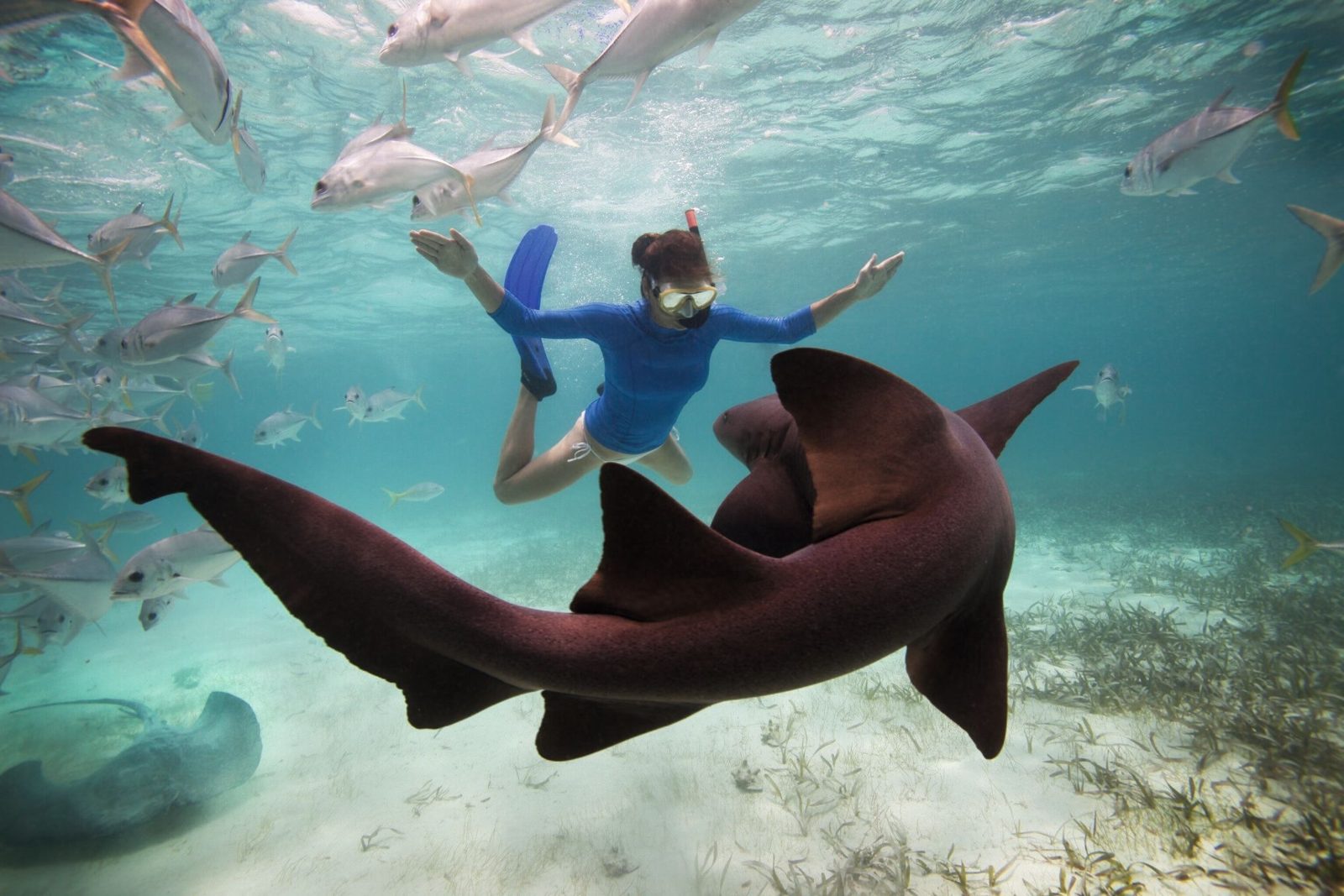
Nurse sharks reach lengths of nine feet but feed on mollusks and crustaceans using suction rather than teeth, making them docile around humans. They rest on sandy bottoms during the day at Shark Ray Alley, a shallow corridor four miles south of San Pedro where decades of fishing activity trained them to associate boat engines with food scraps. The Belize Fisheries Department now prohibits hand-feeding, but sharks still patrol the site hoping for bycatch. Caribbean reef sharks hunt along drop-offs and patrol routes where reef fish school. These bronze-gray predators grow to eight feet and display curiosity toward snorkelers without aggression. Sightings peak during spawning seasons when baitfish concentrate near the reef crest. Turneffe Atoll's windward channels and the Blue Hole's surrounding walls offer the highest reef shark density, though currents and depth make these sites suitable only for strong swimmers accompanied by guides. The Belize Barrier Reef Reserve System, a UNESCO World Heritage site since 1996, protects over 400 cayes and three atolls where shark populations remain stable compared to Caribbean averages. Marine reserves enforce fifteen-dollar daily conservation fees that fund ranger patrols and mooring buoy maintenance. Snorkeling protocols require staying vertical in the water column, avoiding sudden movements, and never cornering sharks against coral formations. Most operators conduct briefings covering hand signals and emergency ascent procedures before entering the water. Hammerhead sharks appear seasonally at Glover's Reef between March and June, following migratory patterns tied to water temperature. These encounters happen in open water beyond typical snorkeling zones but occasionally surprise divers working shallow sandbars. Blacktip reef sharks patrol mangrove channels during high tide, visible from shore in areas like Placencia Lagoon. Snorkelers exploring inshore habitats should shuffle feet along the bottom to avoid startling rays buried in sand, a technique that also alerts nearby sharks to human presence and prompts them to clear the area.
“Nurse sharks rest on sandy bottoms during the day at Shark Ray Alley, where decades of fishing activity trained them to associate boat engines with food scraps.”
Optimal Timing for Belize Snorkeling with Sharks
The best arrival window for snorkeling with sharks at the Hol Chan Marine Reserve is 08:00–11:00. Arriving during this period avoids mid-day boat crowds and ensures optimal water visibility for marine life observation.
Dry Season (Nov–Apr)
Moderate to highWarm, low rainfall, 24°C–29°C
Clearer water conditions and consistent sunshine.
Green Season (May–Oct)
Lower to moderateHot and humid, 26°C–31°C
Occasional afternoon showers; calm morning seas.
Weekday mornings
Minimal—
Reduced boat traffic provides a quieter experience.
Verdict: For the best experience, plan your visit for a weekday morning between 08:00 and 11:00 during the months of April or October.
Weekly Operating Hours for Belize Snorkeling with Sharks
The Hol Chan Marine Reserve operates on a consistent schedule throughout the week to facilitate snorkeling excursions. The site remains open daily to accommodate visitors planning their trips to the reef.
| Monday | 08:00–17:00 | |
|---|---|---|
| Tuesday | 08:00–17:00 | |
| Wednesday | 08:00–17:00 | |
| Thursday | 08:00–17:00 | |
| Friday | 08:00–17:00 | |
| Saturday | 08:00–17:00 | |
| Sunday | 08:00–17:00 |
Logistics for Belize Snorkeling with Sharks: How to Reach the Reserve
The Hol Chan Marine Reserve is located 4 miles south of San Pedro, Ambergris Caye. Access requires boat transport from San Pedro, as the site is situated directly within the Belize Barrier Reef.
Departure from San Pedro Docks
Walk to San Pedro waterfront
Key Zones for Belize Snorkeling with Sharks
The Belize Barrier Reef features specific marine zones where snorkeling with sharks is a frequent occurrence. These areas allow for observation of nurse sharks and southern stingrays in their natural habitat.
Hol Chan Cut
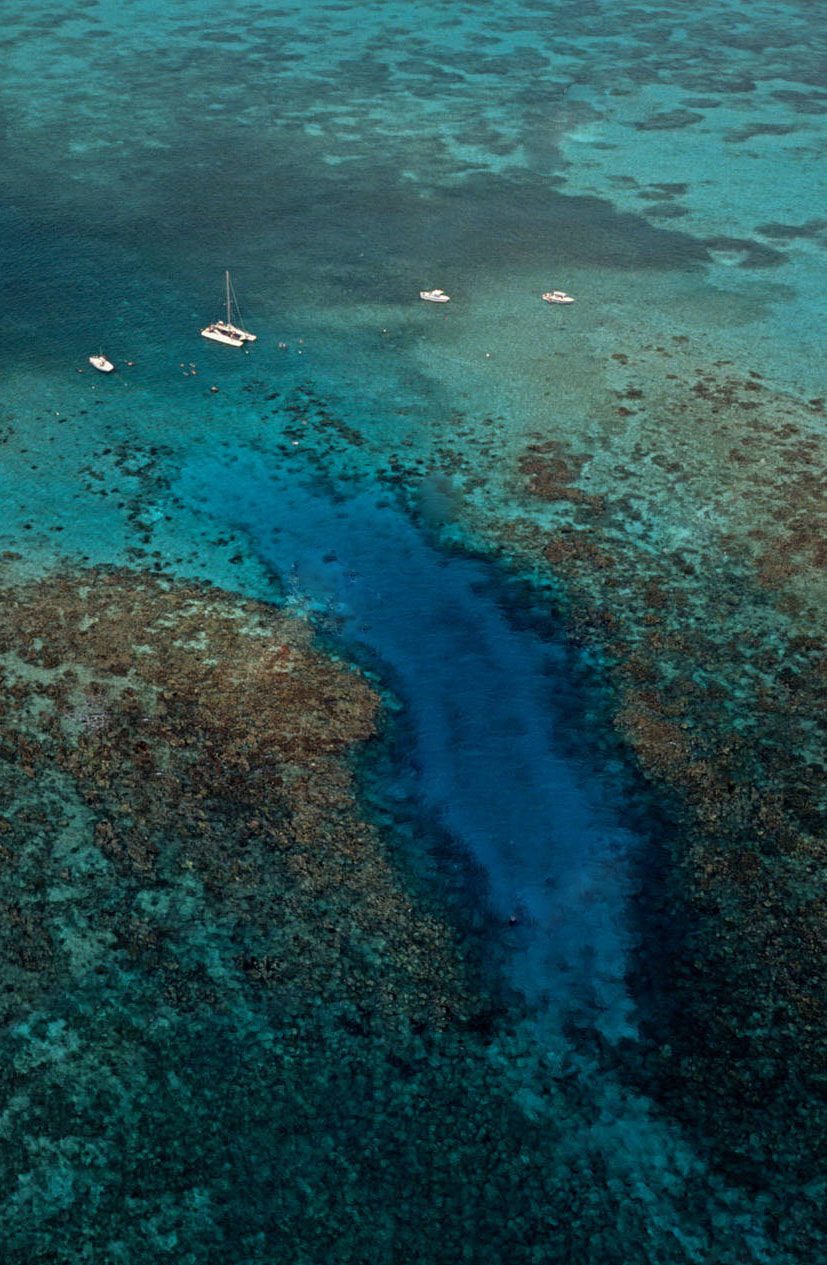
This primary channel within the reserve serves as a transit point for various marine species, including nurse sharks and groupers. Snorkelers often observe these animals navigating the coral walls.
Stay near the shallow edges to observe marine life clearly.
Shark Ray Alley
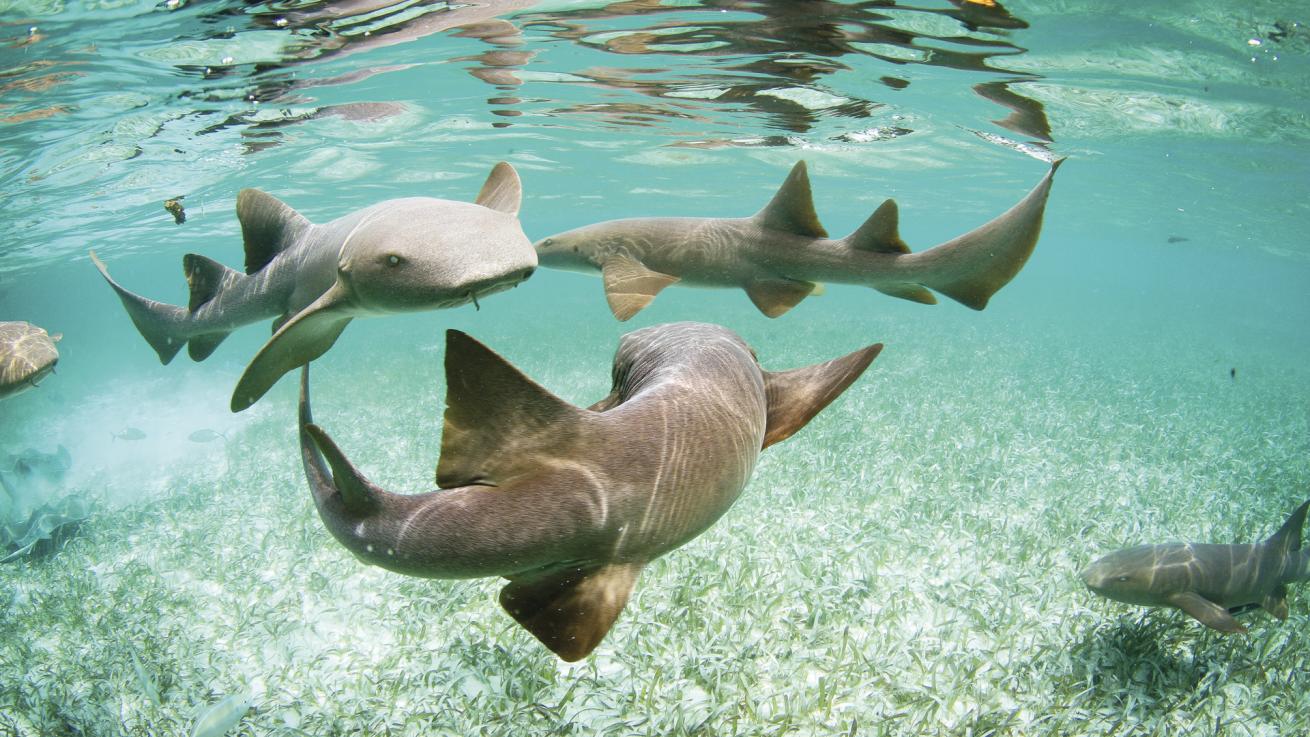
Located within the reserve, this shallow sandy area is known for regular encounters with southern stingrays and nurse sharks. The shallow depth provides visibility into the behavior of these bottom-dwelling creatures.
Watch for movement near the sandy sea floor between boats.
Coral Gardens
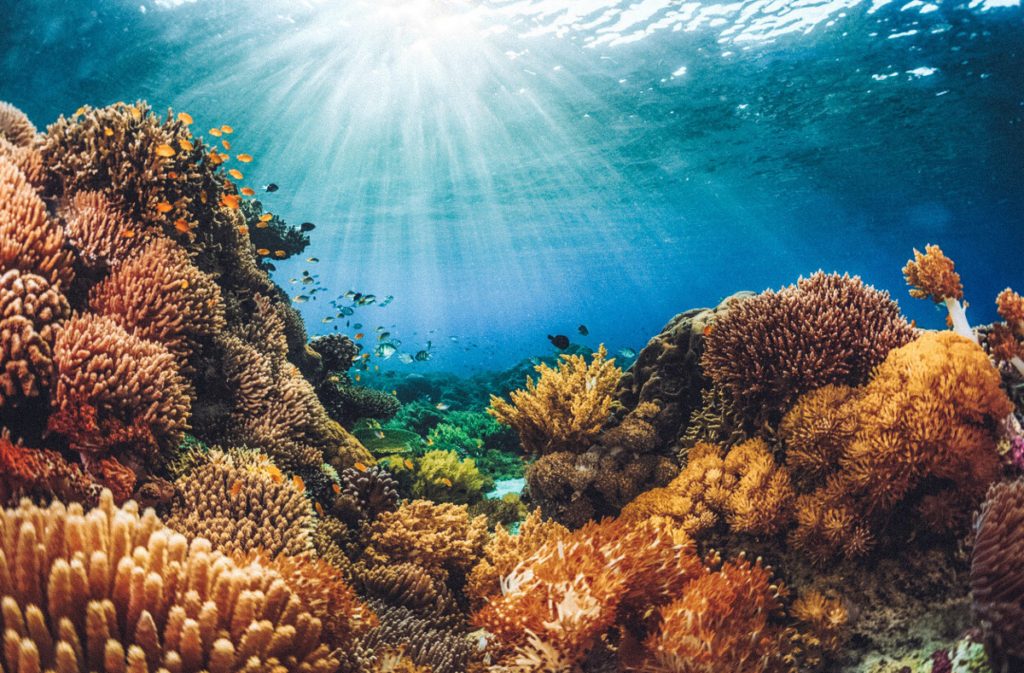
This zone consists of extensive patch reefs populated by brain coral and sea fans, providing shelter for reef sharks and smaller tropical fish. It offers a quieter environment compared to the main channels.
Swim slowly over the reef structures to spot resting sharks.
The Back Reef
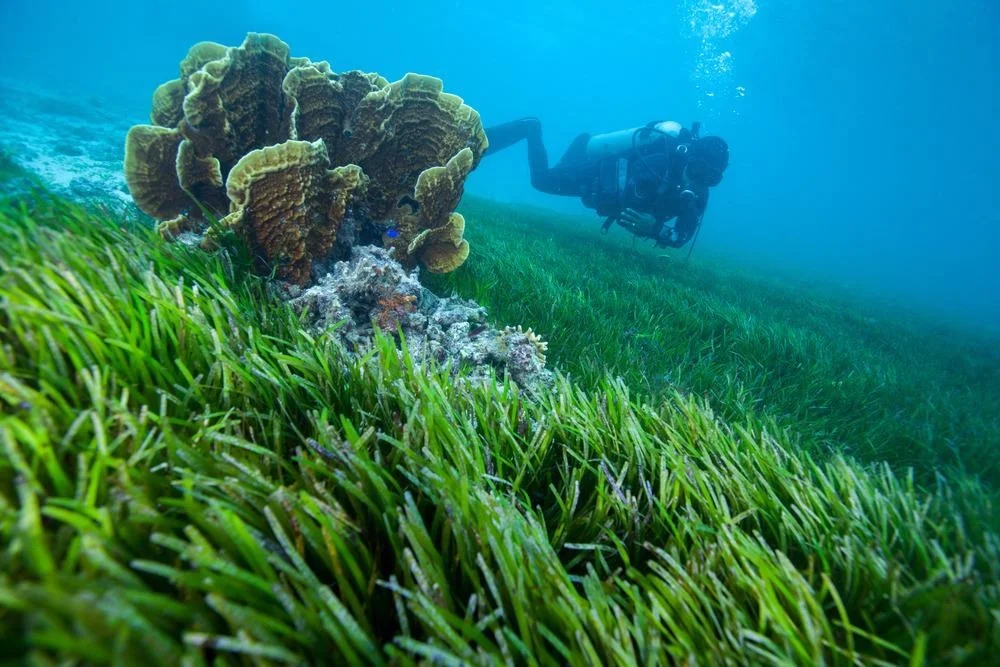
This area represents the shallower waters behind the main barrier, where nurse sharks frequently patrol the seagrass beds. It is a common site for spotting juvenile marine life.
Look into the seagrass patches for camouflaged shark species.
Guidelines for Belize Snorkeling with Sharks
Snorkeling with sharks in the Belize Barrier Reef requires respect for marine life and adherence to conservation protocols. Following these guidelines protects both the ecosystem and your safety.
Do
- Maintain a safe distance of at least 10 feet from sharks
- Keep your hands and fins tucked close to your body
- Follow your guide's instructions regarding wildlife approach
- Stay calm and move slowly to avoid startling marine animals
- Report any injured or distressed wildlife to your guide
- Secure all equipment to prevent dropping items into the reef
Don't
- Touch, chase, or attempt to feed sharks or rays
- Wear sunscreen containing oxybenzone or octinoxate—use reef-safe alternatives
- Stand on or grab coral formations for stability
- Use flash photography near nurse sharks resting in caves
- Swim directly above resting sharks on the seafloor
- Remove shells, coral fragments, or any marine specimens
Check availability
Common Questions About Belize Snorkeling With Sharks
Everything you need to know about belize snorkeling with sharks